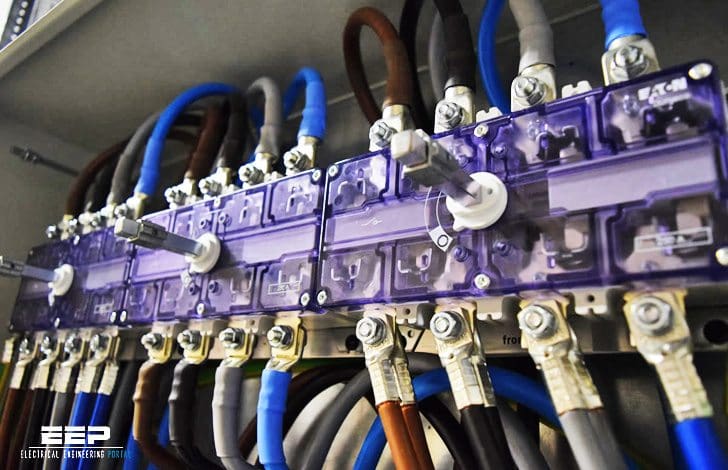
A transfer switch gives emergency power a controlled path into a home’s electrical system while keeping the normal utility supply properly separated. For homeowners using a generator or certain backup-power systems, that organization can make outage operation much safer and easier to understand.
The best layout makes circuit priorities obvious before the power goes out.
Match the Transfer Equipment to the Backup Source
Manual transfer arrangements are commonly associated with portable generators, while automatic transfer equipment is often used with permanently installed standby systems. Battery systems may use related switching equipment depending on their design.
Planning an electrical upgrade alongside house design references can also help determine where the service equipment will remain accessible without interfering with storage, furniture, or future renovation work.
Manual and Automatic Operation Serve Different Needs
A manual system requires someone to perform the switching procedure. An automatic system is designed to detect an outage and transfer supported loads according to its configuration.
Neither approach should be selected by convenience alone. Compatibility with the electrical service and backup equipment comes first.
Organize Essential Circuits Clearly
A transfer system is easier to manage when the circuits it serves are clearly identified. Labels such as refrigerator, furnace controls, kitchen lighting, sump pump, or communications are more useful during an outage than vague handwritten notes.
Good household organization can reinforce that approach. Interior planning concepts may help homeowners coordinate important electrical loads with functional room layouts instead of treating the panel schedule as a separate afterthought.
| Feature | Purpose | Planning Question |
|---|---|---|
| Manual transfer | User-controlled changeover | Who will operate it? |
| Automatic transfer | Automatic changeover | Which loads are supported? |
| Circuit labeling | Faster identification | Are names clear? |
| Load selection | Controls demand | What is truly essential? |
Keep Operating Instructions Near the Equipment
An emergency-power system may go unused for months, so people can forget the exact operating sequence. A concise instruction sheet stored near the panel can reduce confusion.
The surrounding area should remain accessible as well. Storage planning influenced by organized living ideas can help prevent boxes, furniture, or household items from gradually blocking access to electrical equipment.
Plan for Load Management
A transfer switch does not increase the output of a generator or battery. If the backup source has limited capacity, household demand still needs to remain within that limit.
Heavy appliances may need to stay off while essential circuits are operating. Some systems manage loads automatically, while others depend on the homeowner to decide what can run simultaneously.
Common Transfer-Switch Planning Mistakes
One mistake is selecting transfer equipment without first confirming generator, battery, and service compatibility. Another is placing too many circuits on the backup side because each one seems useful individually.
Circuit labeling can also become inaccurate after renovations. Whenever electrical work changes which rooms or appliances are served, the panel and emergency-power labels should be updated so the system remains understandable during an outage.
Frequently Asked Questions
Why is a transfer switch used with a generator?
It creates a controlled method of supplying selected household loads from backup power while separating them from the normal utility supply. This helps prevent unsafe improvised connections.
Is an automatic transfer switch necessary for every generator?
No. The appropriate arrangement depends on the generator type, installation, desired operating method, and electrical system. Portable and permanently installed generators may use different connection approaches.
Can a transfer switch power every circuit in the house?
Some systems are designed for broad coverage, while others serve selected circuits. Actual operation is still limited by the capacity of the generator, battery, inverter, and connected equipment.
Make Emergency Switching Simple
Transfer equipment should make backup power easier to control, not harder to understand. Match the switching method to the power source, identify essential circuits, keep labels current, and preserve clear access to the equipment. A qualified electrician can then build the connection around the home’s real electrical loads instead of relying on emergency improvisation.