
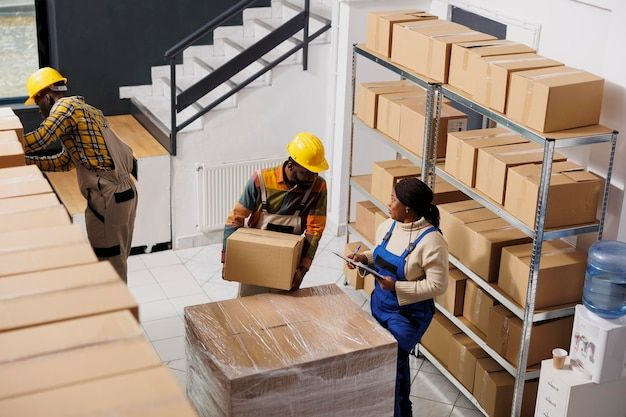
Global trade thrives on speed, reliability, and precision. Behind every product on a store shelf or every online order delivered on time lies a complex network of transportation and logistics. Freight service plays a crucial role in this system, ensuring that goods move seamlessly across continents. Its influence extends beyond simple transportation, shaping efficiency, cost, and even the sustainability of global supply chains. Understanding this impact reveals why businesses invest heavily in optimizing freight services.
Freight Service Definition And Its Role In Global Trade
Freight service refers to the organized movement of goods, typically in bulk, from one location to another. This can include transportation by land, sea, or air, along with associated logistics services like warehousing and customs clearance. Freight service is the backbone of global trade, connecting manufacturers with distributors and retailers across the world. Without reliable freight service, delays and disruptions become frequent, directly affecting the efficiency of supply chains.
Streamlining Operations Through Freight Service
Efficient freight service allows companies to streamline operations by reducing transit times and improving inventory management. Businesses can plan production cycles more accurately when they know shipments will arrive on schedule. Freight service also enables consolidation of goods, reducing the number of shipments needed and lowering overall operational costs. This operational efficiency benefits both large multinational corporations and smaller businesses competing in global markets.
Cost Management Advantages Offered By Freight Service
Freight service impacts global supply efficiency not only through speed but also by optimizing costs. By choosing the right freight options, companies can balance shipping speed with affordability. Consolidation of shipments, route optimization, and leveraging different modes of transportation all contribute to lower expenses. Businesses that manage freight service costs effectively can reinvest savings into other areas, enhancing competitiveness and profitability.
Technology Integration In Modern Freight Service
Modern freight service leverages technology to improve efficiency and transparency. Tracking systems, automated scheduling, and data analytics help companies anticipate delays and adjust operations accordingly. Smart freight service solutions provide real-time updates, allowing supply chain managers to make informed decisions quickly. Technology integration ensures that shipments remain on schedule, inventory is accurately managed, and global operations continue to run smoothly.
Sustainability And Environmental Impact In Freight Service
Freight service is increasingly linked to sustainability efforts in global supply chains. Eco-friendly shipping practices, such as optimized routes, energy-efficient vehicles, and reduced packaging, minimize the environmental footprint. Companies adopting greener freight service strategies not only reduce costs over time but also meet consumer and regulatory expectations. Sustainable freight service practices are becoming a standard measure of efficiency and corporate responsibility.
Adapting To Global Market Demands With Freight Service
Global markets are dynamic, with changing demand patterns and logistical challenges. Freight service enables businesses to adapt quickly to these fluctuations by offering flexible shipping solutions. Companies can respond to seasonal demand, regional supply disruptions, or sudden spikes in orders without major operational setbacks. The adaptability of freight service ensures that supply chains remain resilient and efficient in an unpredictable global economy.
Conclusion
Freight service is far more than a means of transportation. It is a strategic element that shapes global supply efficiency through cost management, operational optimization, technological integration, sustainability, and adaptability. Reliable freight service ensures that goods reach their destinations on time, supporting the seamless flow of global trade.


